Why robot vacuum wholesale quotes hide the hard questions
Brands and retailers sourcing robot vacuums for European and North American buyers compare quotes that all say "smart navigation" — and then find that suction pressure is undocumented, runtime is a best-case figure without a basis, and the app features behave differently in real homes. Robot vacuums are a trust-driven category: a unit that misses its charging dock, or a 90-minute claim that becomes 40 minutes in use, becomes the review that outweighs the wholesale margin.
The business impact for the buyer: unverifiable suction, runtime and app claims become post-launch returns and rating damage, while navigation or feature changes after the PO become paid re-engineering.
How our robot vacuum wholesale program solves this
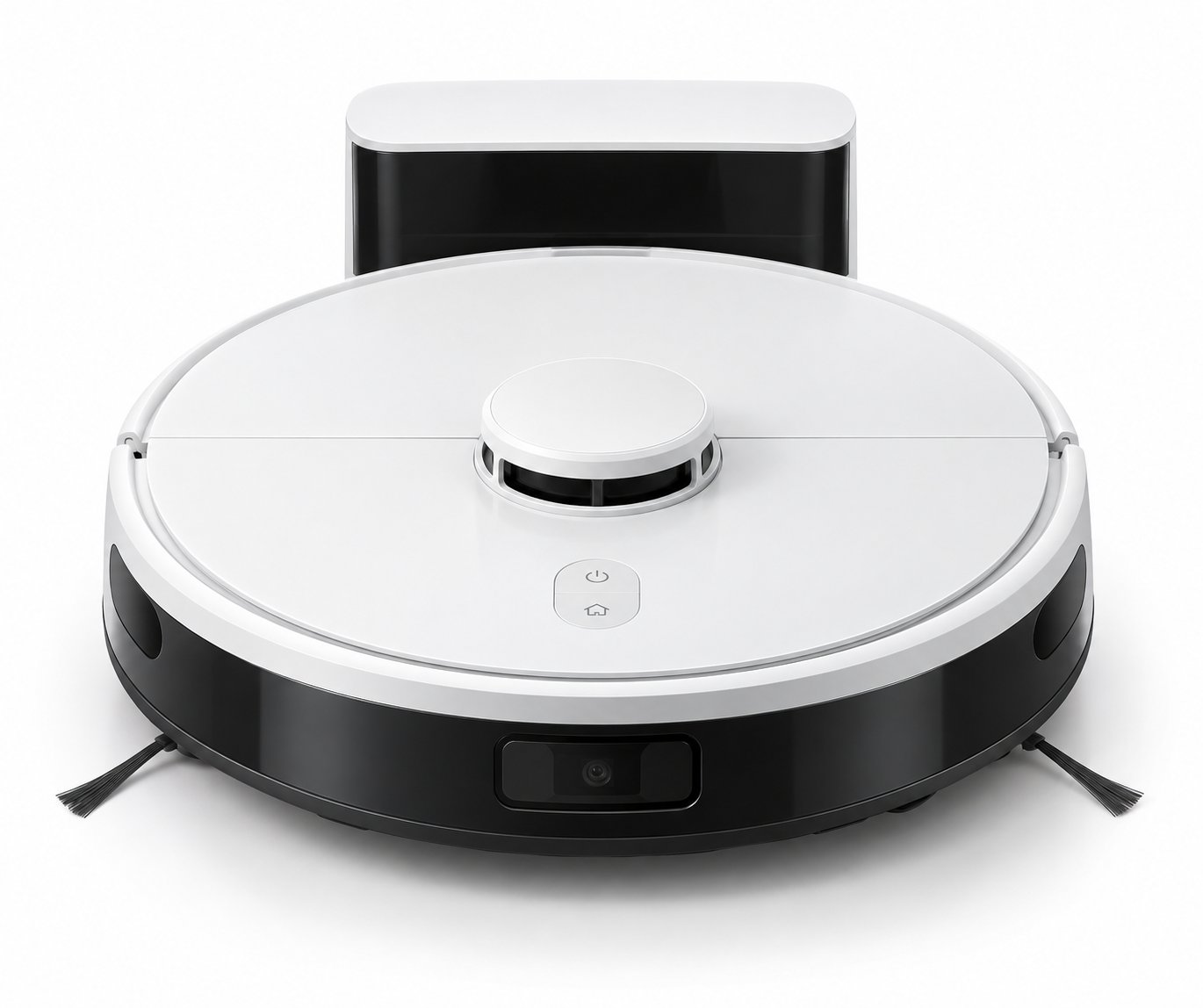
The program is anchored on a verified base unit: the 2200 Pa slim robot vacuum with a 100-minute runtime, self-charging dock and app control (full specification on the linked product page). Suction, runtime and the smart-feature set are the properties wholesale buyers verify first — all documented on the base unit.
- Performance-true base spec: suction (2200 Pa), runtime (100 minutes), slim profile and app control are fixed in the build sheet before tooling.
- Smart-feature verification: app control, scheduling and auto-return charging are sample-verified before bulk, so the convenience story matches the shipped unit.
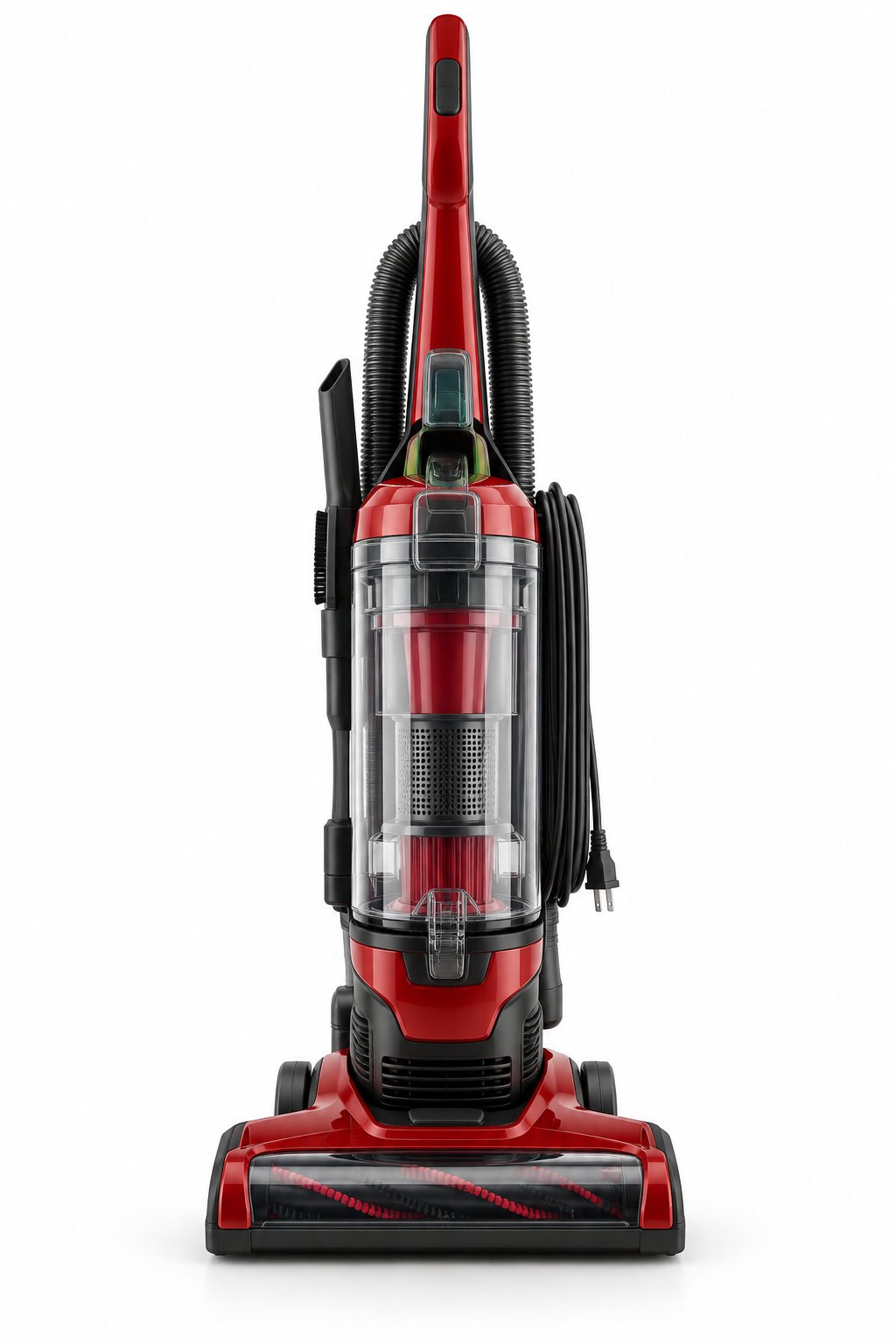
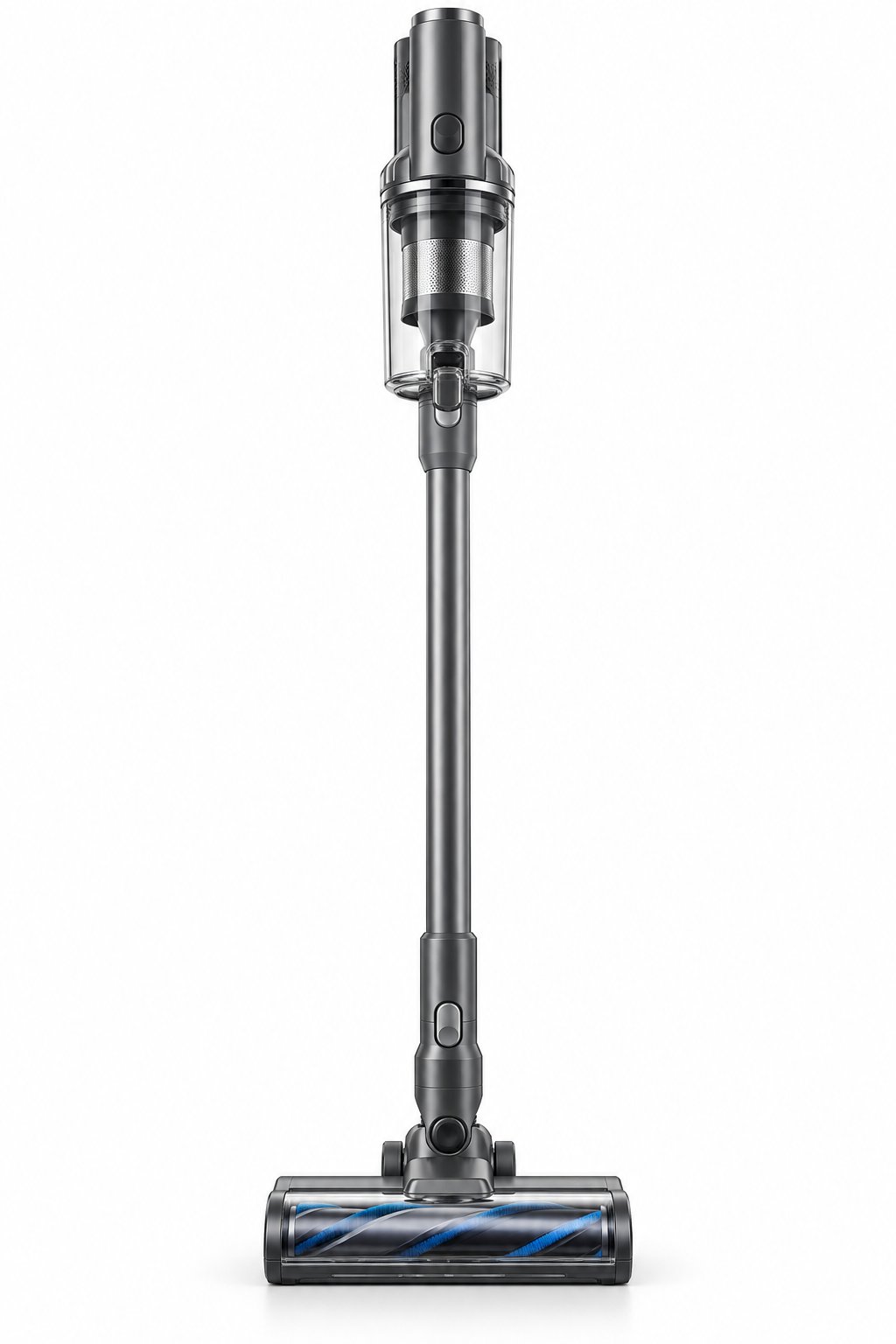
- Range-fit production: the robot vacuum completes a three-tier floor-care range with the upright and cordless stick models under one manufacturer, with MOQ at 500 units per model and navigation/battery testing in the QC flow.
Value to the buyer: a robot vacuum whose suction, runtime and smart features are published and checkable before you commit — so the smart-cleaning story on the box survives real households.