A practical reading method for B2B buyers comparing vacuum suction power kPa and rated wattage on supplier spec sheets. Learn why motor watts and suction ratings answer different questions, how to convert kPa to Pa, why corded uprights and cordless handhelds cannot be compared on one number, and what to confirm on the sample report and carton before you place an order.
Two suppliers send spec sheets for the same kind of vacuum. One lists 1200 W, the other 900 W. One lists 25 kPa, the other 18 kPa. None of those numbers, read alone, tells you which unit will pick up more dust from a carpet. This guide sets out how to read suction and power figures so that your comparison means something before you order.
What this page covers
- How rated motor wattage and suction rating answer different questions.
- How to convert kPa to Pa and read the number correctly.
- Why a corded upright and a cordless handheld are not comparable on one figure.
- What to ask the supplier to confirm on the sample report and the carton.
Rated power and suction power are two different measurements
The wattage on a spec sheet is the rated electrical power of the motor. It describes input: how much electricity the unit draws from the mains or battery under rated conditions. The suction figure, usually quoted in kPa, describes the pressure difference the machine can produce at the intake. Neither figure is a cleaning result, and neither one substitutes for the other.
A higher-wattage motor gives the designer more headroom, but the suction that reaches the floor also depends on the fan geometry, the seals in the air path, the filter, and the internal ducting. A 1200 W unit with a poorly sealed dust path can produce less usable suction than a lower-wattage unit built with a tighter air path. That is why buyers who rank suppliers on watts alone end up comparing motors rather than vacuum cleaners.
The practical rule: treat watts as an input figure for electrical and compliance planning, and treat kPa as the pressure figure for suction comparison. After that, the sample test is what settles the question.
How to read kPa, and the conversion to Pa
Suction pressure is quoted in kilopascals (kPa) and sometimes in pascals (Pa). One kilopascal equals 1,000 pascals. A rating of 25 kPa is 25,000 Pa; a rating of 8 kPa is 8,000 Pa. Convert every quote to the same unit before you compare anything.
Two cautions apply to any kPa figure you receive:
- Check what the rating describes. Suction can be quoted as sealed suction, meaning the maximum pressure difference when the intake is blocked, or at a working airflow point. These are different conditions. A sealed suction figure is a ceiling, not an everyday working value.
- Ask for the test condition in writing. If the supplier cannot tell you whether the figure is sealed or at working airflow, and at what voltage, the number is not yet useful for a comparison.
A single pressure figure also says nothing about how much air moves through the machine. Airflow and pressure together describe the intake performance; a spec sheet that gives only one of them leaves part of the picture out. When a supplier provides only kPa, you are comparing pressure only, and the sample test has to cover the rest.
Why a corded upright and a cordless handheld are not comparable
The two classes are built for different jobs, so their numbers are not on the same scale. Compare the two models below, both from our own range, and the point becomes obvious.
| Spec | ZY-UV02 corded upright | ZY-HV05 cordless handheld |
|---|---|---|
| Rated power | 1200 W | 120 W |
| Suction power | 25 kPa (25,000 Pa) | 8 kPa (8,000 Pa) |
| Dust cup | 1.8 L | 300 ml |
| Filter | Washable HEPA filter | Washable filter |
| Runtime | Mains powered, continuous | Up to 25 minutes |
| Power source | 220-240 V AC 50/60 Hz, 6 m cord | 5 V DC, 2000 mAh Li-ion, USB-C charging, about 3 hours to charge |
| Noise | About 78 dB | About 70 dB |
| Net weight | 4.6 kg | 0.6 kg |
| Accessories | Crevice nozzle, brush nozzle, upholstery tool | Crevice nozzle, brush nozzle, charging cable |
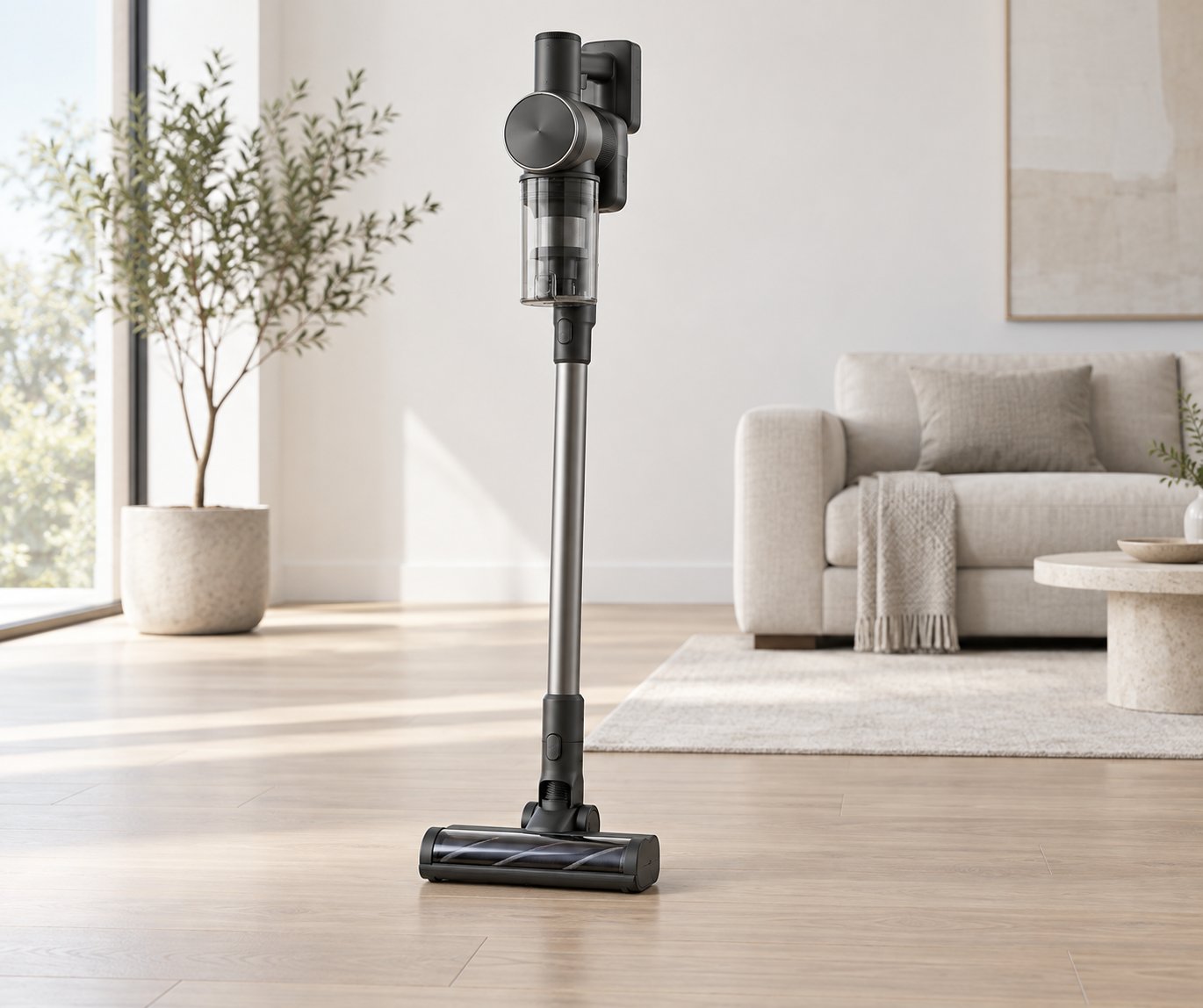
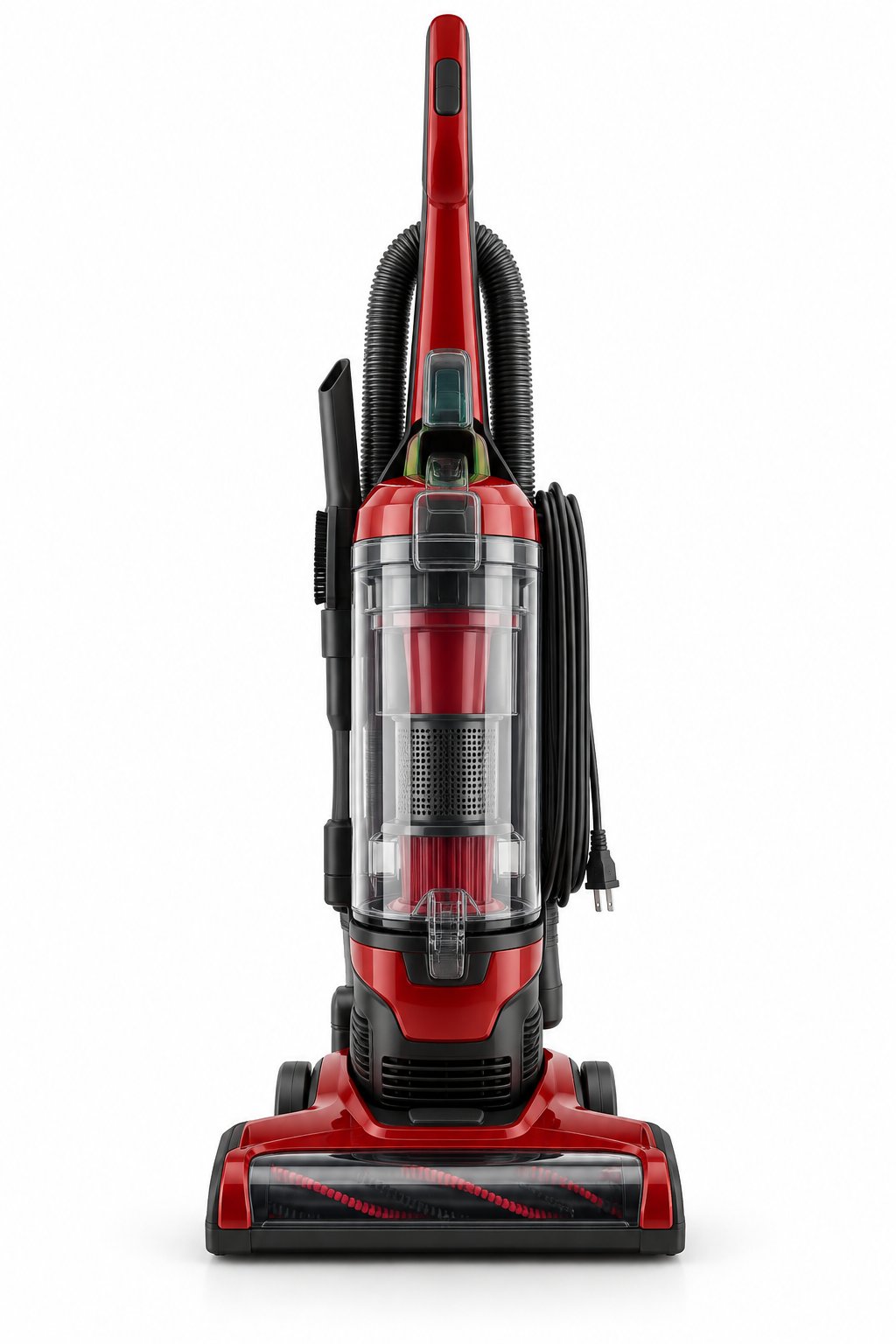
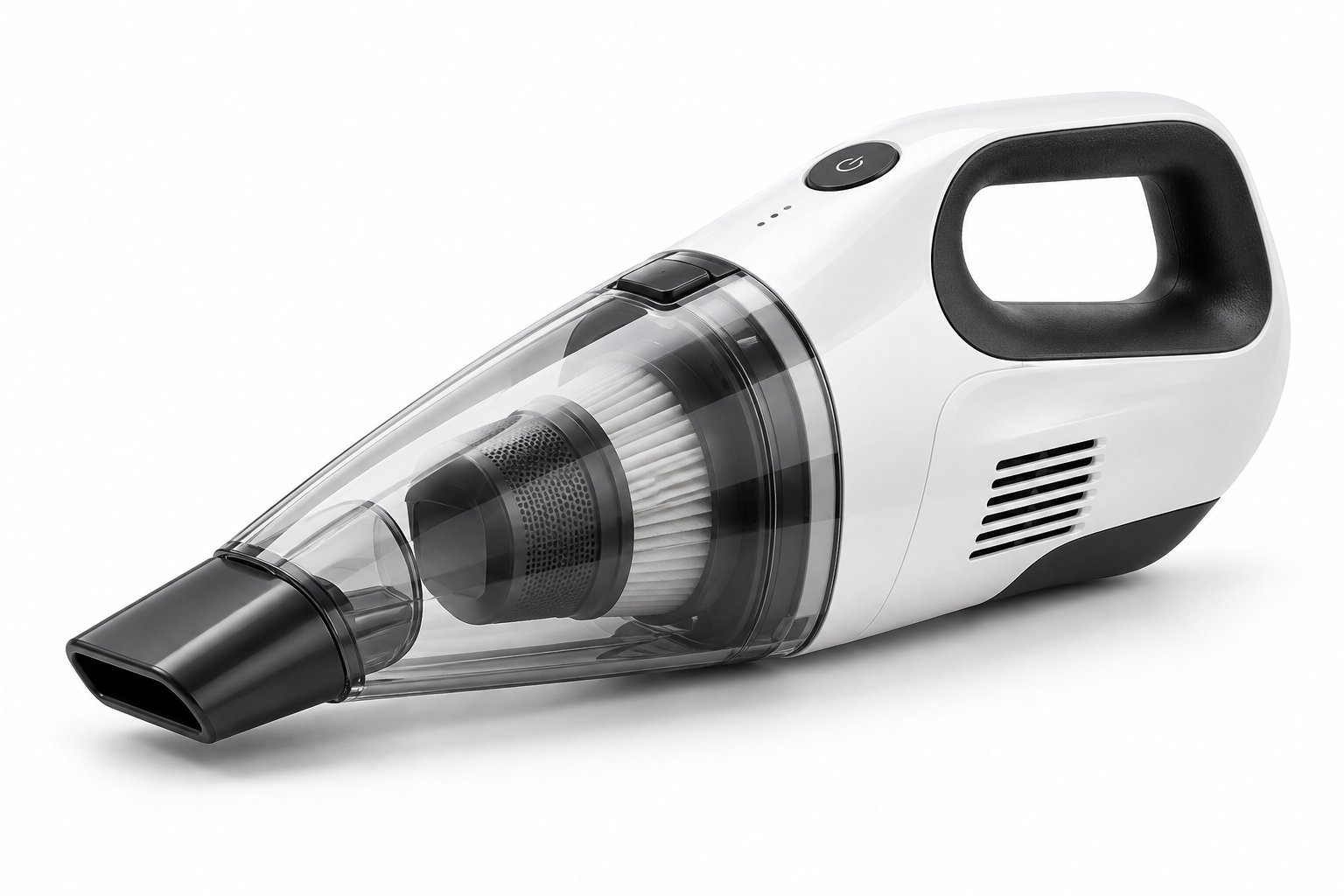
The upright is a mains-powered floor machine designed for carpets and hard floors, with a 1.8 L dust cup and a washable HEPA filter. Here it is in full: 25kPa 1200W Upright Vacuum with HEPA Filter and 1.8L Dust Cup. The handheld is a battery unit at 120 W, 8 kPa, with a 300 ml cup and up to 25 minutes of runtime: 8kPa Cordless USB-C Handheld Vacuum with 25-Minute Runtime. Both figures are accurate for their own platforms, but a 25 kPa corded rating and an 8 kPa battery rating describe different machines, different motors and different uses. Setting them side by side and asking which is stronger is a question the numbers cannot answer.
What you can compare is within a class. Two corded uprights at the same voltage, with suction measured under the same condition, give you a meaningful pressure comparison. A cordless handheld against another cordless handheld the same way. Across classes, compare the design target instead: floor cleaning versus quick pick-up on furniture, stairs and in the car.
What to ask the supplier to confirm before you approve a sample
The spec sheet sets expectations; the sample sets the decision. Put these questions to the supplier in writing so that the answers are part of the record.
On the test report
- Which model and which unit was tested, and is the test report matched to the production version?
- Is the kPa figure sealed suction or measured at working airflow? At what voltage and with which filter fitted?
- Is the rated wattage the input power at rated voltage?
- For a cordless unit, at what load and at what point in the discharge cycle was the runtime measured?
On the sample itself
- Run the unit on the surface your end customers will use most, with the filter fitted as supplied.
- Check the seals and the fit of the dust cup and filter cover; leaks here reduce the suction that reaches the floor.
- Compare the noise level with the quoted figure in the same room; note that a sound level meter reading depends on distance and surroundings.
- Confirm the accessories in the box match the accessory list on the carton.
- For cordless models, run a full charge and time the runtime yourself.
If the sample performs below the spec sheet under the same conditions, raise it before production. A rating alone does not prove cleaning performance; the sample test does.
What to print on the carton
Retail and private-label buyers carry liability for what the packaging claims. Keep the carton consistent with the approved spec sheet and the test report.
- Quote the suction in one unit only, or in both kPa and Pa, so the retail buyer and the end user read the same figure.
- State rated power together with the rated voltage, since a wattage figure without a voltage is incomplete for 220-240 V AC and 5 V DC products alike.
- List the dust cup capacity in the same unit the spec sheet uses (1.8 L for the upright, 300 ml for the handheld).
- For the cordless unit, print the runtime and charging time as tested, and state the battery capacity (2000 mAh).
- List the accessories exactly as packed.
Our quality control runs through production and final inspection, with the approved spec sheet as the reference for both. If a carton claim and the spec sheet disagree, the discrepancy needs to be fixed before the run ships.
FAQ
- Does a higher wattage always mean stronger pickup?
- No. Wattage describes motor input. The suction that reaches the floor also depends on fan design, seals, filter and ducting. Two units at the same wattage can deliver different usable suction, and a lower-wattage unit with a tighter air path can outperform a higher-wattage one. Rank on the suction rating under a stated condition, then verify on the sample.
- Can I compare the kPa on a cordless handheld with the kPa on a corded upright?
- Not as a like-for-like figure. They are different platforms with different motors, power sources and design targets. Compare within a class, and treat the cross-class choice as a use-case decision: floors versus quick pick-up.
- What should I verify on a sample?
- That the unit matches the approved spec sheet under the stated conditions: suction with the supplied filter fitted, seals and dust cup fit, noise in the same room, accessory list against the carton, and for cordless units an actual full-charge runtime.
- What should go on the carton?
- The same figures as the approved spec sheet, in consistent units: suction in kPa or Pa, rated power with rated voltage, dust cup capacity, and for cordless units the runtime, charging time and battery capacity. The accessory list must match what is packed.
Next step: send us the surfaces your customers use, the class of unit you need, and your target market's voltage. We will confirm the suction rating with its test condition and prepare the sample for your evaluation.
Guangdong Zhiyue Electric Co., Ltd. manufactures kitchen appliances and small home appliances for OEM and ODM buyers in Europe and North America. Minimum order for the models above is 500 units.